Leaky Gut Syndrome: Could Your Gut Be Affecting Your Skin, Energy, Allergies, and Overall Health?
3 min read
Many patients come into the clinic feeling like their bodies are falling apart in multiple ways at the same time. They may experience bloating, digestive discomfort, skin irritation, fatigue, allergies, brain fog, joint pain, or even hair loss—yet standard medical testing often fails to reveal a single unifying explanation. One theory that has gained increasing attention in both functional and integrative medicine is leaky gut syndrome, also known as increased intestinal permeability. While research is still evolving, many experts believe that gut barrier dysfunction may contribute to inflammation, immune system activation, and a wide range of symptoms throughout the body. For patients searching for "leaky gut symptoms," "gut health and inflammation," or "natural ways to heal the gut," understanding how the intestinal barrier works is an important first step.
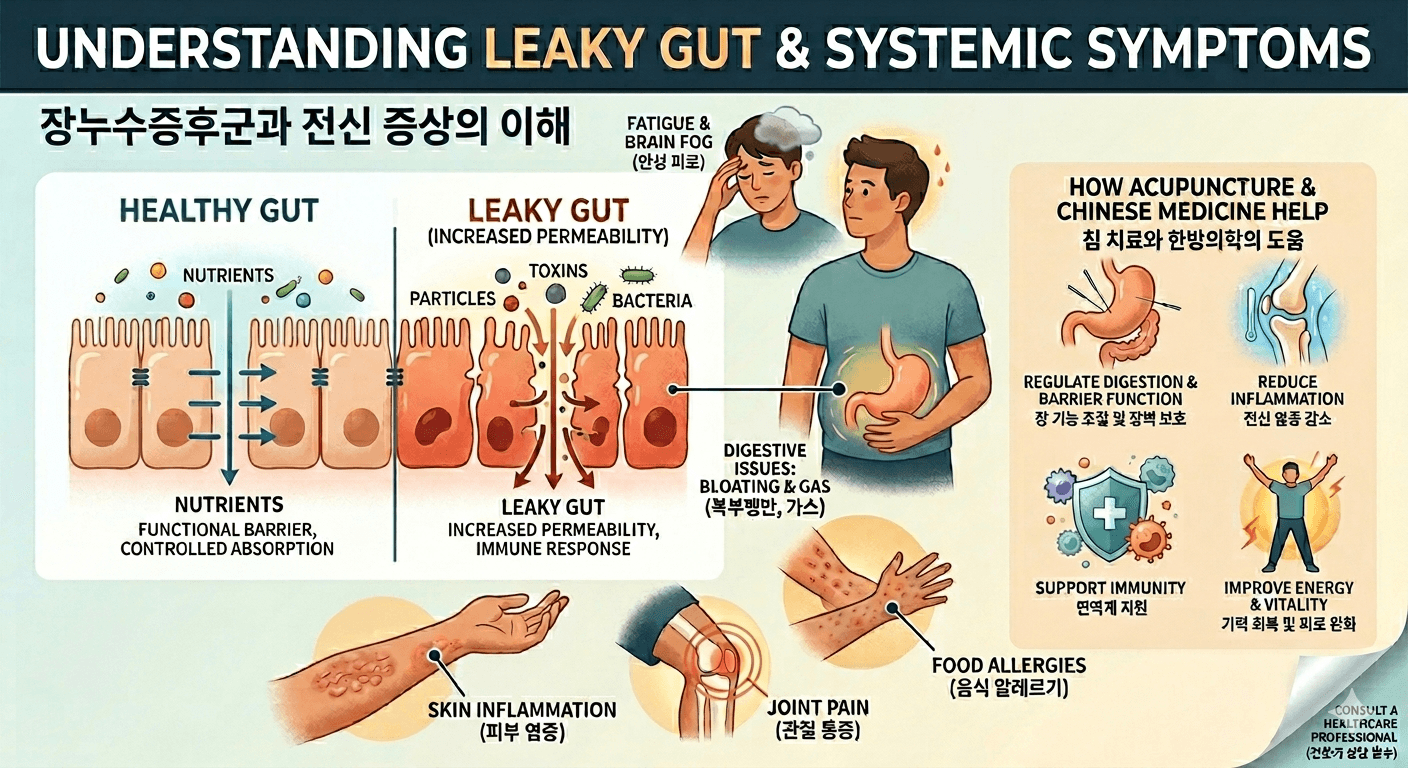
Leaky Gut Syndrome: Understanding the Gut-Body Connection
Have you ever felt like your body keeps sending warning signals?
Perhaps you have experienced symptoms such as:
Itchy skin
Recurring inflammation
Digestive problems
Excessive gas and bloating
Hair loss
Joint pain
New allergies
Chronic fatigue
Many patients describe feeling as though they have problems affecting multiple systems of the body at once.
While there can be many explanations for these symptoms, one increasingly discussed possibility is leaky gut syndrome.
What Is Leaky Gut Syndrome?
Leaky gut syndrome refers to a condition in which the lining of the small intestine becomes more permeable than normal.
The intestinal wall is designed to act as a selective barrier.
Under healthy conditions, it allows:
Properly digested nutrients
Vitamins
Minerals
to pass into the bloodstream while keeping potentially harmful substances out.
You can think of the intestinal lining as a highly selective security checkpoint.
It carefully evaluates what enters the body and blocks many unwanted substances.
However, when the tight junctions between intestinal cells become compromised, larger particles that would normally remain inside the digestive tract may pass through the intestinal barrier.
These may include:
Partially digested food particles
Bacterial components
Other substances that can trigger immune responses
This increased intestinal permeability is what many people refer to as leaky gut syndrome.
Why Does the Gut Barrier Matter?
Most nutrient absorption occurs in the small intestine.
The digestive system is not simply absorbing everything that enters the gut.
Instead, it constantly balances:
Nutrient absorption
Immune surveillance
Protection against harmful organisms
When the intestinal barrier becomes less effective, the immune system may become more active in response to substances that would normally remain inside the digestive tract.
Researchers continue to investigate how this process may contribute to inflammation and immune system dysregulation.
Common Symptoms Associated With Leaky Gut
Although symptoms vary from person to person, many patients report several common patterns.
Digestive Symptoms
The most frequently reported symptoms include:
Bloating
Excess gas
Indigestion
Abdominal discomfort
Diarrhea
Irregular bowel movements
Patients searching for:
"constant bloating"
"why do I have so much gas"
"chronic digestive problems"
often begin investigating gut health as a possible factor.
Chronic Fatigue
When the immune system remains activated for long periods, some people report:
Low energy
Brain fog
Persistent fatigue
Many patients searching for "chronic fatigue and gut health" are exploring this connection.
Inflammation Throughout the Body
Some researchers believe increased intestinal permeability may contribute to systemic inflammation.
Patients sometimes report:
Joint discomfort
Muscle aches
Skin irritation
Generalized inflammatory symptoms
Allergies and Immune Sensitivity
Some theories suggest that ongoing immune activation may contribute to:
Food sensitivities
Seasonal allergies
Histamine-related symptoms
Immune system overreactivity
Research in this area is still developing, but it remains an active area of investigation.
Mood and Cognitive Symptoms
The gut and brain are closely connected through what is often called the gut-brain axis.
Patients may report:
Anxiety
Low mood
Difficulty concentrating
Memory complaints
Brain fog
Researchers continue to study how gut health may influence neurological and emotional well-being.
What Causes Leaky Gut?
The exact causes remain under investigation.
However, several factors have been associated with increased intestinal permeability, including:
Chronic stress
Excessive alcohol consumption
Food sensitivities
Gluten-related disorders
Altered stomach acid production
Certain infections
Artificial sweeteners
Gut microbiome imbalances
Because multiple factors may contribute simultaneously, treatment often requires a comprehensive approach rather than a single intervention.
Who May Be at Higher Risk?
Some conditions are more frequently associated with intestinal barrier dysfunction, including:
Irritable Bowel Syndrome (IBS)
Crohn's Disease
Chronic inflammatory bowel conditions
Asthma
Chronic fatigue syndrome
Food allergies or sensitivities
Patients with these conditions who also experience widespread symptoms affecting multiple body systems may wish to discuss gut health with a qualified healthcare professional.
Supporting Gut Health Naturally
Patients searching for:
"how to heal leaky gut naturally"
"best foods for gut health"
"natural digestive support"
often benefit from addressing lifestyle factors first.
Dietary Changes
Many practitioners recommend reducing or avoiding:
Excess alcohol
Tobacco use
Highly processed foods
Foods that trigger individual sensitivities
A nutrient-dense diet rich in whole foods may help support intestinal health.
Stress Management
Chronic stress affects both digestion and immune regulation.
Helpful strategies may include:
Meditation
Exercise
Sleep optimization
Mindfulness practices
Probiotics and Nutritional Support
Foods containing beneficial bacteria and nutrients that support intestinal health may be helpful for some individuals.
Examples include:
Fermented foods
Probiotic-rich foods
Vitamin A-rich foods
Appropriate supplementation should be discussed with a healthcare provider.
Acupuncture and Herb Medicine for Gut Health
In Eastern medicine, digestive function is considered central to overall health.
When treating patients with chronic digestive complaints, the goal is often to:
Support digestive function
Improve gastrointestinal regulation
Reduce systemic inflammation
Promote overall recovery
Herb Medicine
Herb medicine is commonly used to support digestive health and intestinal function.
Treatment plans are individualized and may focus on restoring balance within the digestive system while supporting overall wellness.
Acupuncture
Acupuncture may help regulate digestive activity, support stress reduction, and improve symptoms commonly associated with gastrointestinal dysfunction.
Patients searching for:
"acupuncture for IBS"
"acupuncture for bloating"
"natural gut health treatment in WA"
often explore acupuncture as part of a broader integrative treatment plan.
Gut Health Support in Washington (WA)
If you are experiencing chronic digestive symptoms, bloating, fatigue, inflammation, allergies, or unexplained health concerns in Washington, a comprehensive evaluation may help identify contributing factors.
Our approach focuses on:
Acupuncture
Herb medicine
Digestive health support
Lifestyle and dietary guidance
to help improve gut function, support overall health, and promote long-term wellness.
References
While the original article did not include published references, the concept of intestinal permeability and gut barrier function continues to be actively studied in gastroenterology, immunology, and functional medicine research. Because the evidence regarding "leaky gut syndrome" remains evolving, current scientific understanding is still developing and not all proposed symptoms or treatment claims have been definitively established.